When I am using TensorFlow on my MacBook Air, I always get annoyed by the warnings comes from nowhere, so I followed the documentation below to build TensorFlow sources into a TensorFlow binary and installed it successfully. In theory, this will make the TF running faster on my machine.
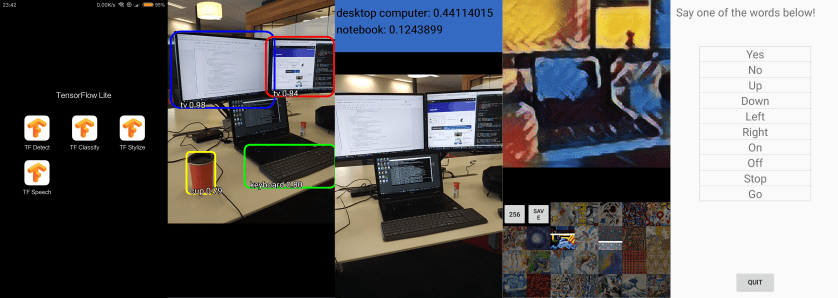
This time I fixed one small bug in the app of “TF Detect” so the object tracking function could work. The project is compiled by “cmake“with NDK Archives in this version. You can download the new “apk files here: Tensorflow_Demo_Debug.apk.
“Once the app is installed it can be started via the “TF Classify”, “TF Detect”, “TF Stylize”, and “TF Speech” icons, which have the orange TensorFlow logo as their icon.
Python is a great general-purpose programming language on its own, but with the help of a few popular libraries (Numpy, SciPy, Matplotlib, TensorFlow) it becomes a powerful environment for scientific computing and data analysis.
I start sharing my notebooks on learning Python and TensorFlow, here is my GitHub repository: Data_Science_Python.
You could download my compiled Apk file here and install on your android device (>Android 7.0) (22-May-2018).
Update: 25-May-2018, fixed the bug of object tracking function in TF Detect. PS: While running the activities, pressing the volume keys on your device will
toggle debug visualizations on/off, rendering additional info to the screen that
may be useful for development purposes.
In the last post, I just tried the TensorFlow for object classification (TF Classify). This time I installed all four demos of the TensorFlow Mobile for Android according to this tutorial: TensorFlow Lite Demo for Android. They are awesome 😛
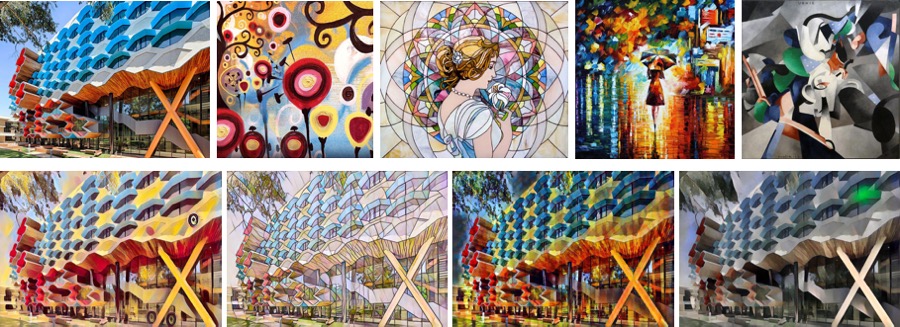
The original program is written in Python, and uses [PyTorch], [SciPy]. A GPU is not necessary but can provide a significant speedup especially for training a new model. Regular sized images can be styled on a laptop or desktop using saved models.
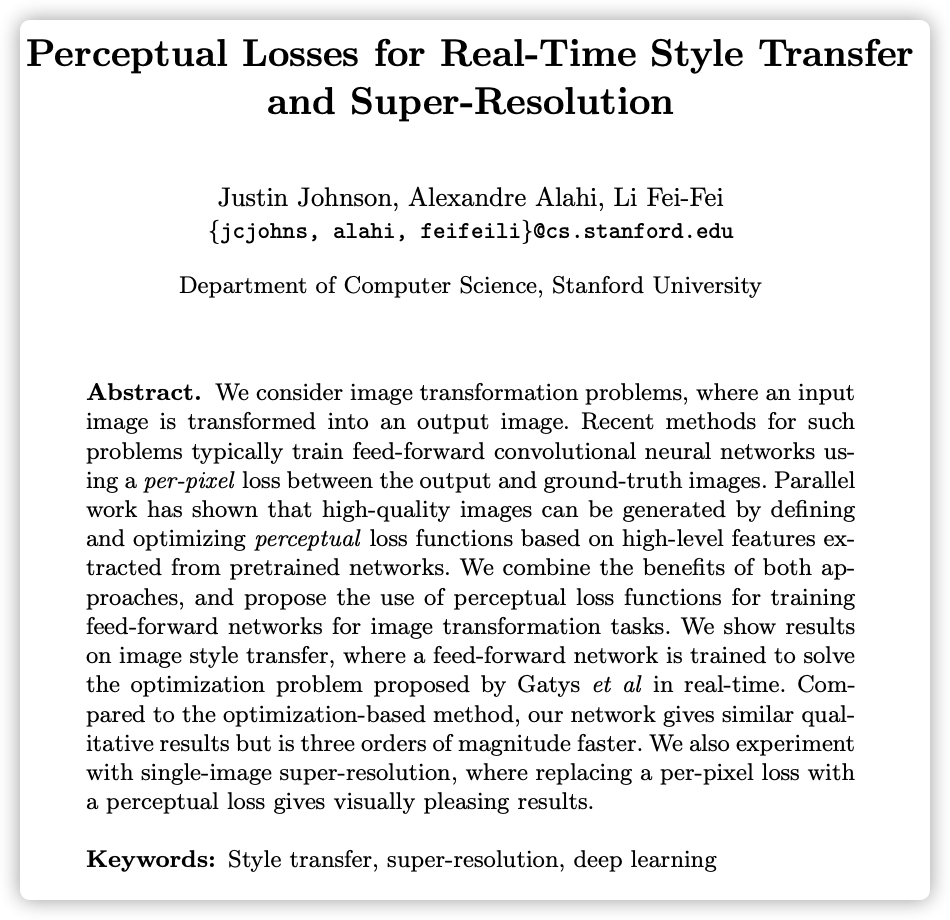
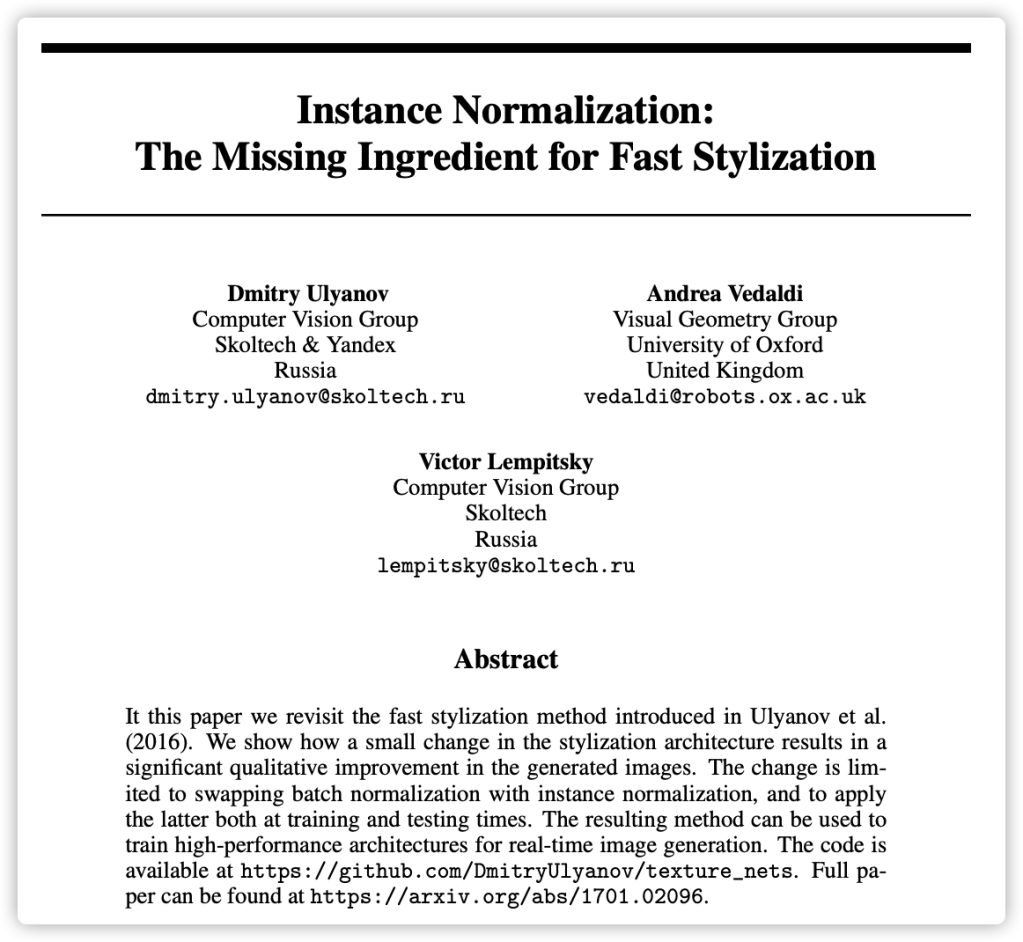
More details about the algorithm could be found in the following papers:
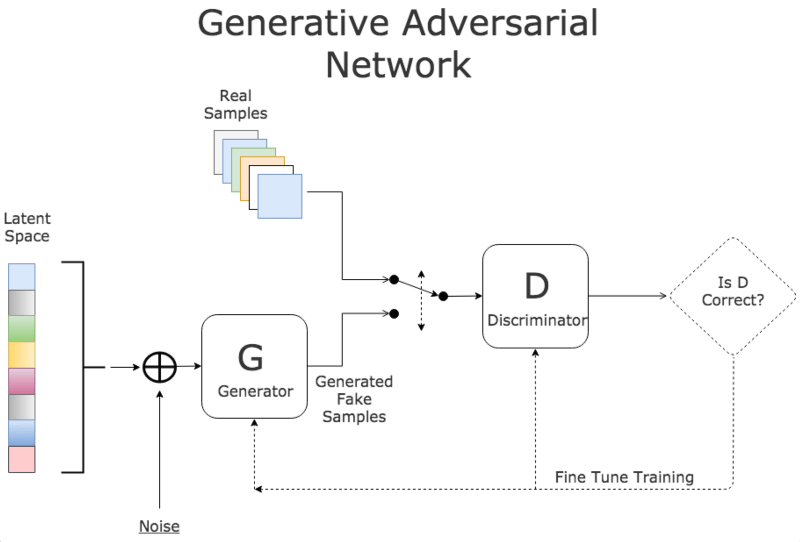
Generative models, like Generative Adversarial Networks (GAN), are a rapidly advancing area of research for computer science and machine intelligence nowadays. It’s hard to keep track of them all, not to mention the incredibly creative ways in which researchers have achieved and been working on.
The following figures demonstrate some results of the current works ( Images from https://blog.openai.com/generative-models/).
GAN learning to generate images (linear time)
VAE learning to generate images (log time)
I think it is necessary to understand the basic pros and cons of it, and it may be very helpful to your own research. I have not fully reviewed the theory and papers, but after skimmed a few papers, I got the impression that the training process of GAN models is very tricky as well as any neural networks model. Thus, there must be a huge improving space for people to make.
Thanks to the internet! There are papers and codes everywhere and nobody will be left behind in these days unless he/she wants to. So working hard and to be a better man (or women or anything good for humanity), cheers!
Here are some papers and blogs that summarized the literature very well.
The learning problem and the principles before building a model.
This blog is mainly based on the book and lecture notes by Professor Yaser S. Abu-Mostafa from Caltech on Learning from data; you could benefit greatly from the lecture and videos.
If you show a picture to a three-year-old and ask if there is a tree, you will likely get the correct answer. But if you ask a thirty-year-old what the definition of a tree is, you will likely get an inconclusive answer.
We didn’t learn what a tree is by studying the mathematical definition of a tree. We knew it by looking at the trees. In other words, we learn from ‘Data’.
![MacOS X: Installing TensorFlow from Sources [TF Binary Attached]](https://cuicaihao.com/wp-content/uploads/2018/04/logo1.png?w=1002)



 C. Cui's Blog