
This project is forked from zbar library, I added some modifications, so the webcam can be used as an image reader to detect QR and Barcodes.

Continue reading “QR Code Detector with Webcam (Python / OpenCV / Pyzbar)”
This project is forked from zbar library, I added some modifications, so the webcam can be used as an image reader to detect QR and Barcodes.
Continue reading “QR Code Detector with Webcam (Python / OpenCV / Pyzbar)”
Python is a great general-purpose programming language on its own, but with the help of a few popular libraries (Numpy, SciPy, Matplotlib, TensorFlow) it becomes a powerful environment for scientific computing and data analysis.
I start sharing my notebooks on learning Python and TensorFlow, here is my GitHub repository: Data_Science_Python.
Continue reading “Sharing My Data Science Notebook (Python & TensorFlow) on GitHub”
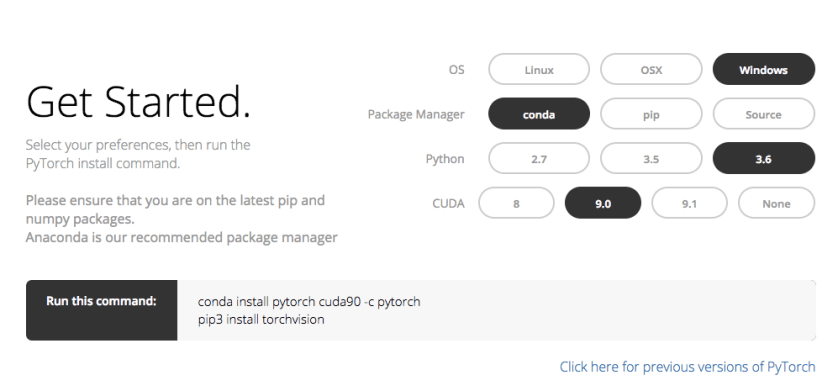
Great news! PyTorch now is supporting Windows!
If you have a PC with suitable Nvidia graphics card and installed CUDA 9.0 and Anaconda, type the following commands;
conda install pytorch cuda90 -c pytorch
pip3 install torchvision
It is about 500 MB, so be patient!
PyTorch is a deep learning framework that puts Python first. Currently, it only supports MacOS or Linux.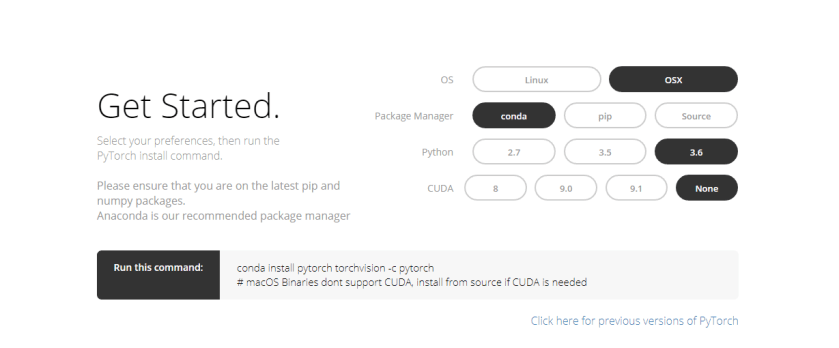
This post is a follow-up to my last post: A Taste of TensorFlow on My Android Phone.
You could download my compiled Apk file here and install on your android device (>Android 7.0) (22-May-2018).
Update: 25-May-2018, fixed the bug of object tracking function in TF Detect. PS: While running the activities, pressing the volume keys on your device will
toggle debug visualizations on/off, rendering additional info to the screen that
may be useful for development purposes.
Feel free to let me know if there are any bugs 🙂
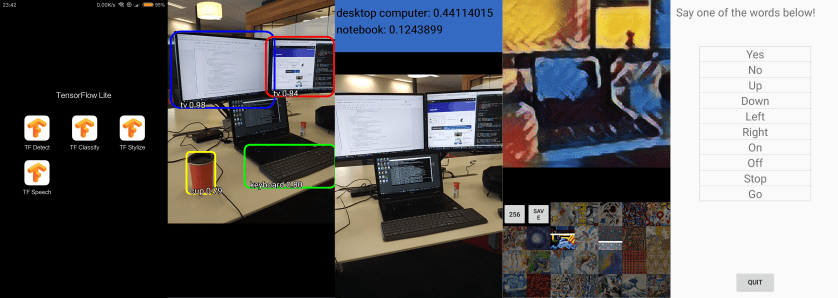
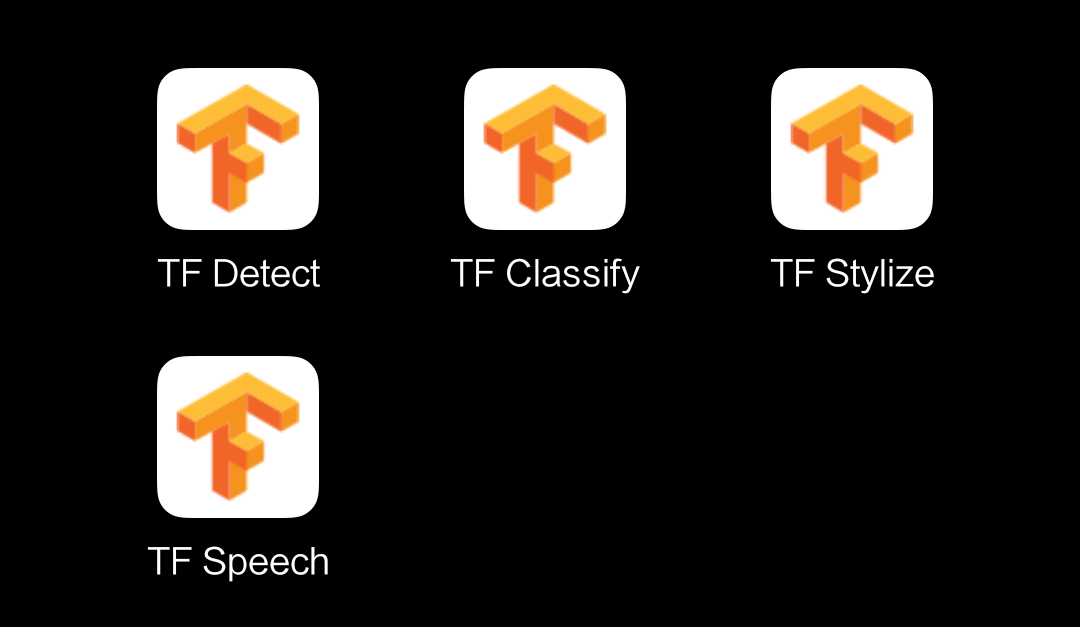
In the last post, I just tried the TensorFlow for object classification (TF Classify). This time I installed all four demos of the TensorFlow Mobile for Android according to this tutorial: TensorFlow Lite Demo for Android. They are awesome 😛
Continue reading “A Taste of TensorFlow on My Android Phone (II)”
Continue reading “A Taste of TensorFlow on My Android Phone”
Dear All,
I am using the song above to thank you all for your help and support in the past. You know that I have spent the last three years (2014-2017) in pursuing my Ph.D. degree in Computer Science and got a plan to be graduated in 2018.
Continue reading “Starting My First Intern at Melbourne Australia Tomorrow”
2021-Jan-31: The git repo has been upgraded from PyTorch-0.3.0 to PyTorch-1.7.0. with Python=3.8.3.
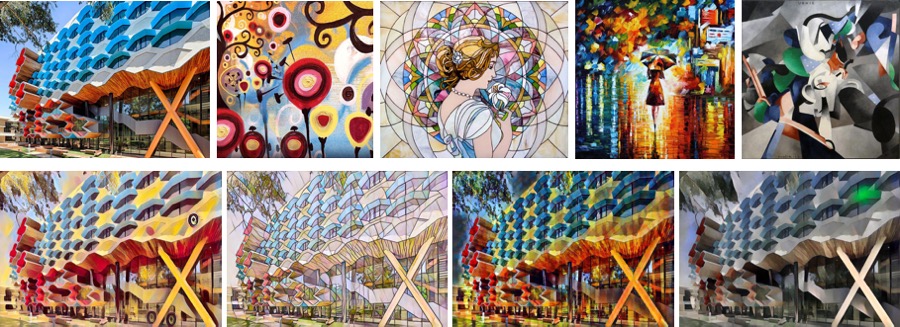
Continue my last post Image Style Transfer Using ConvNets by TensorFlow (Windows), this article will introduce the Fast Neural Style Transfer by PyTorch on MacOS.
The original program is written in Python, and uses [PyTorch], [SciPy]. A GPU is not necessary but can provide a significant speedup especially for training a new model. Regular sized images can be styled on a laptop or desktop using saved models.
More details about the algorithm could be found in the following papers:
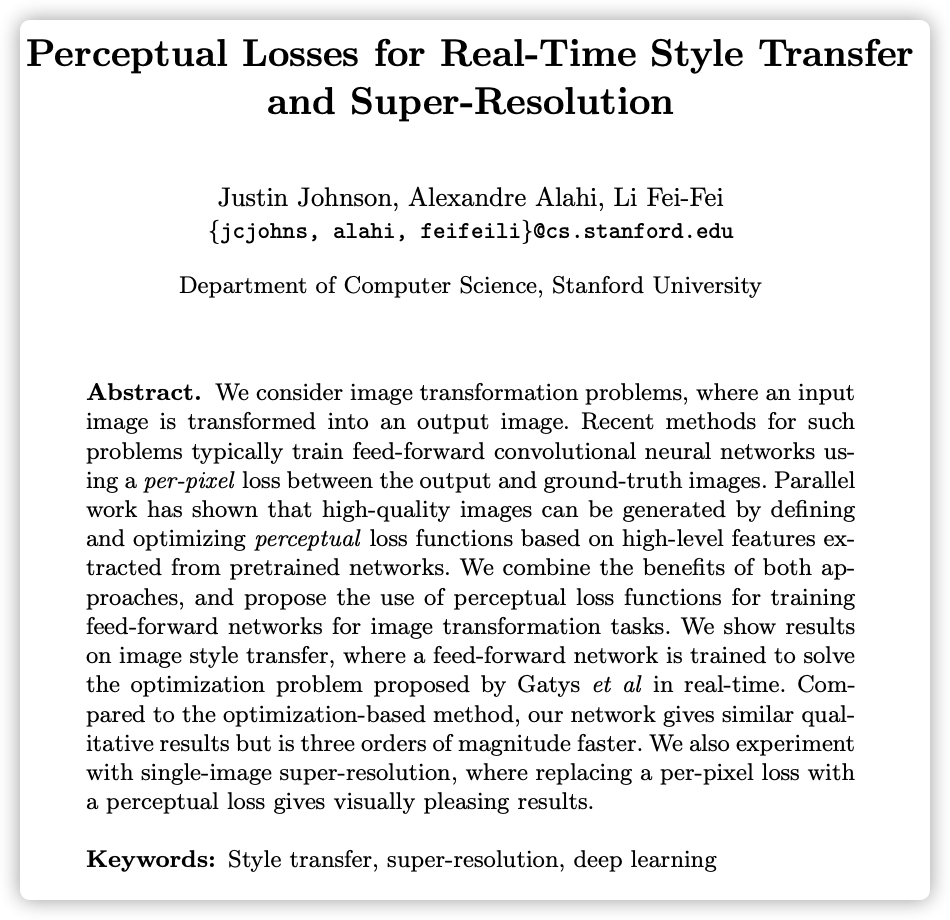
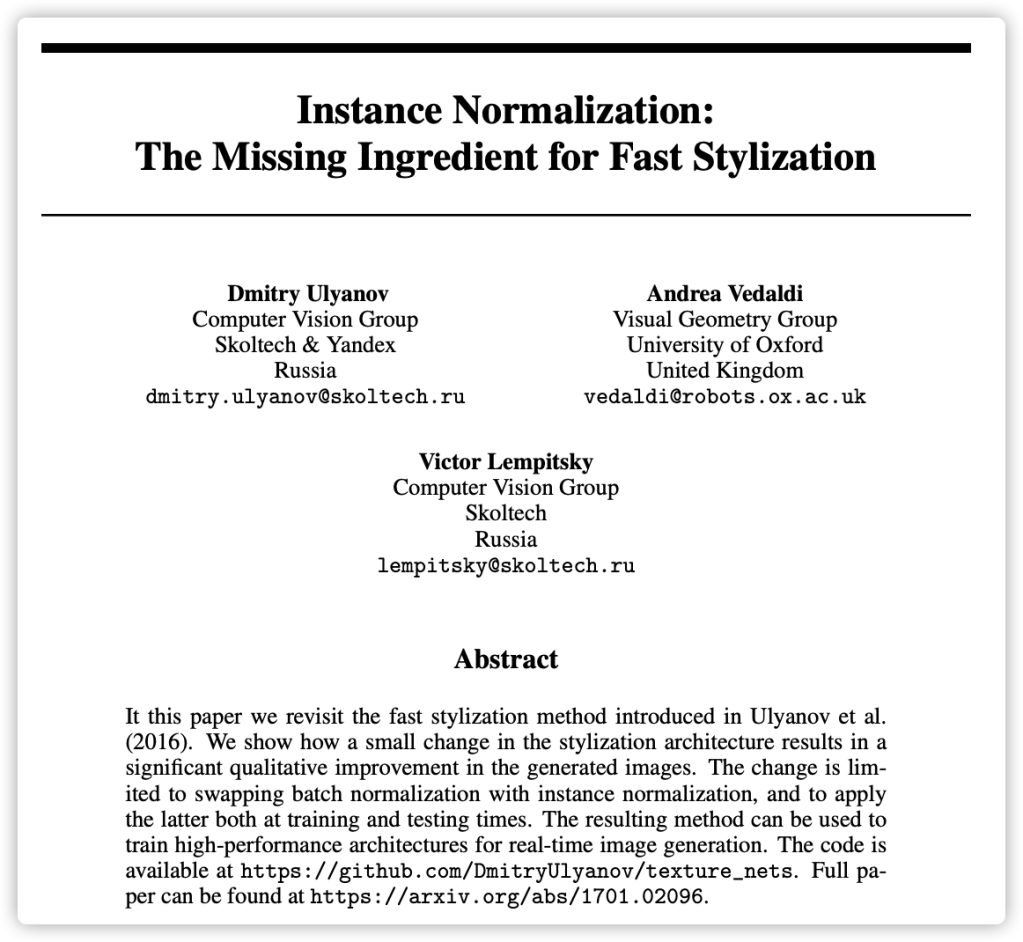
If you could not download the papers, here are the Papers.
You can find all the source code and images (updated in 2021) at my GitHub: fast_neural_style .
Continue reading “Fast Neural Style Transfer by PyTorch (Mac OS)”A few days ago, I updated my Windows 10 to version 1709 and found out that Microsoft added the GPU monitor in the Task Manager which I thought is awesome for ML developers and researchers.
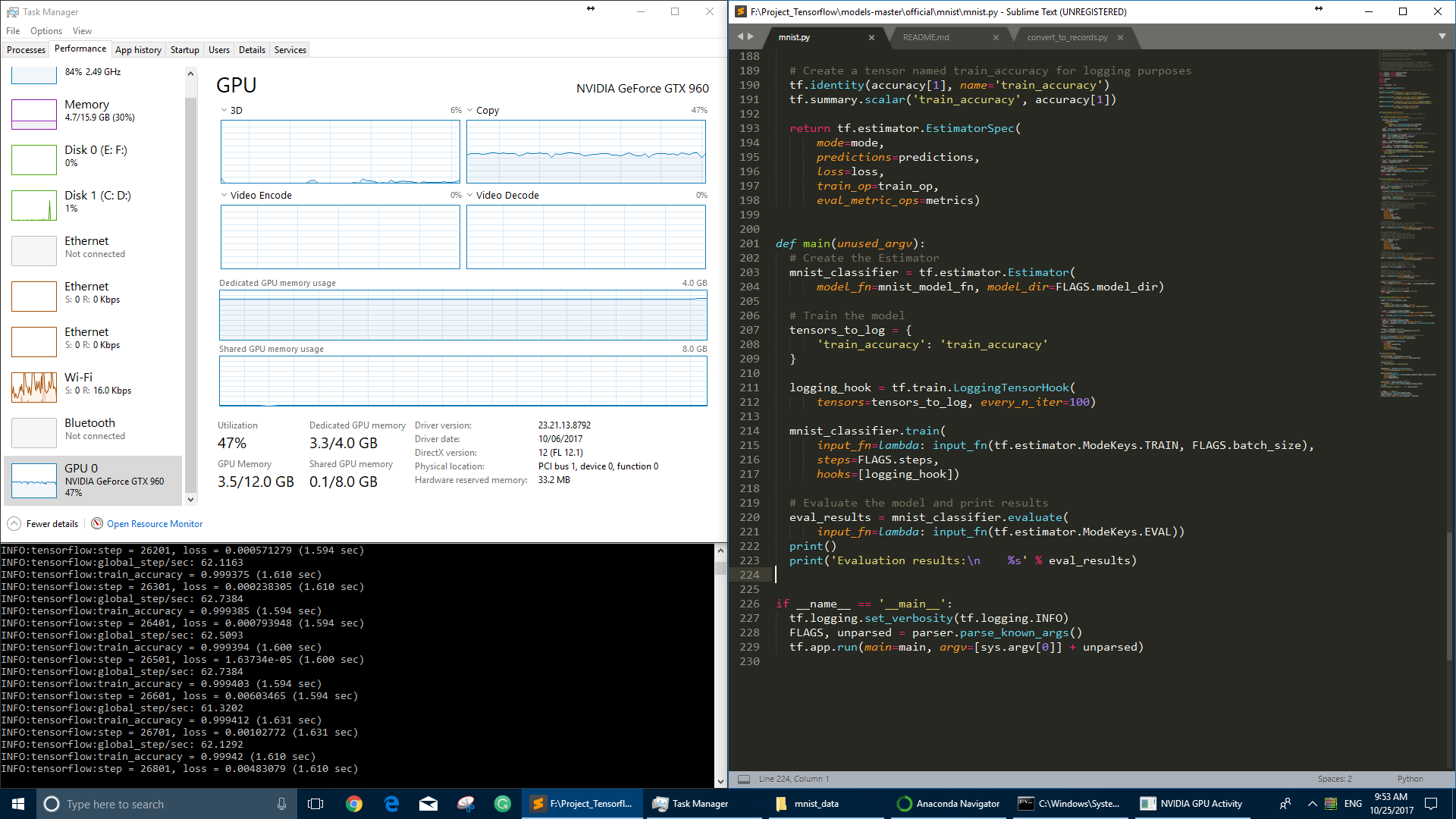
Here is a screen capture of the official MNIST codes running Tensorflow-GPU on my Desktop. It is clear to see that the GTX 960 uses about 3.5GB memory out of 4.0GB to train the ConvNets, which is much faster than the CPU computing.
You can find more models from the TensorFlow Models. This repository contains a number of different models implemented in TensorFlow.
As we all know, the TensorFlow is very powerful and mature deep learning library with strong visualization capabilities and several options to use for high-level model development. PyTorch is still young framework which is getting momentum fast.
I strongly suggest CS and IT researchers/engineers learn both of them.
Tensorflow will be a good option if you are developing models for production or on mobile platforms, maybe in the future for large-scale distributed model training. Because it has good community support and comprehensive documentation, it is easier to find answers and get helps online.
Well, PyTorch is a good fit if you are doing research or your production are not very demanding.
Personly, I think Pytorch has better development and debugging experience.
Continue reading “What do I think about PyTorch and TensorFlow?”
 C. Cui's Blog